Do I need a visa for Chile?
Most visitors do not. Citizens of the US, UK, Canada, Australia, New Zealand, every EU country, Japan, South Korea, China and most of Latin America enter visa-free for 90 days on a tourist permit, free of charge. You receive a tourist card (Tarjeta de Turismo) on arrival. Keep it, because it is needed to leave and it waives the 19% hotel VAT when you pay in foreign currency. Full steps are in our Chile visa guide.
Chile at a Glance
| Fact | Detail |
|---|---|
| Official name | Republic of Chile |
| Capital and largest city | Santiago (6.9 million in the metropolitan area, 2023) |
| Population | 18,480,432 (2024 census); about 19.8 million estimated in 2025 |
| Total area | 756,102 km² — about 4,300 km long, and on average just 177 km wide |
| Regions | 16 regions |
| Official language | Spanish |
| Currency | Chilean peso (CLP, $) |
| Government | Presidential republic |
| Time zone | CLT (UTC−4); daylight saving CLT (UTC−3) in the summer |
| Calling code | +56 |
| Driving side | Right |
The Atacama, the Andes and Patagonia: One Long Ribbon
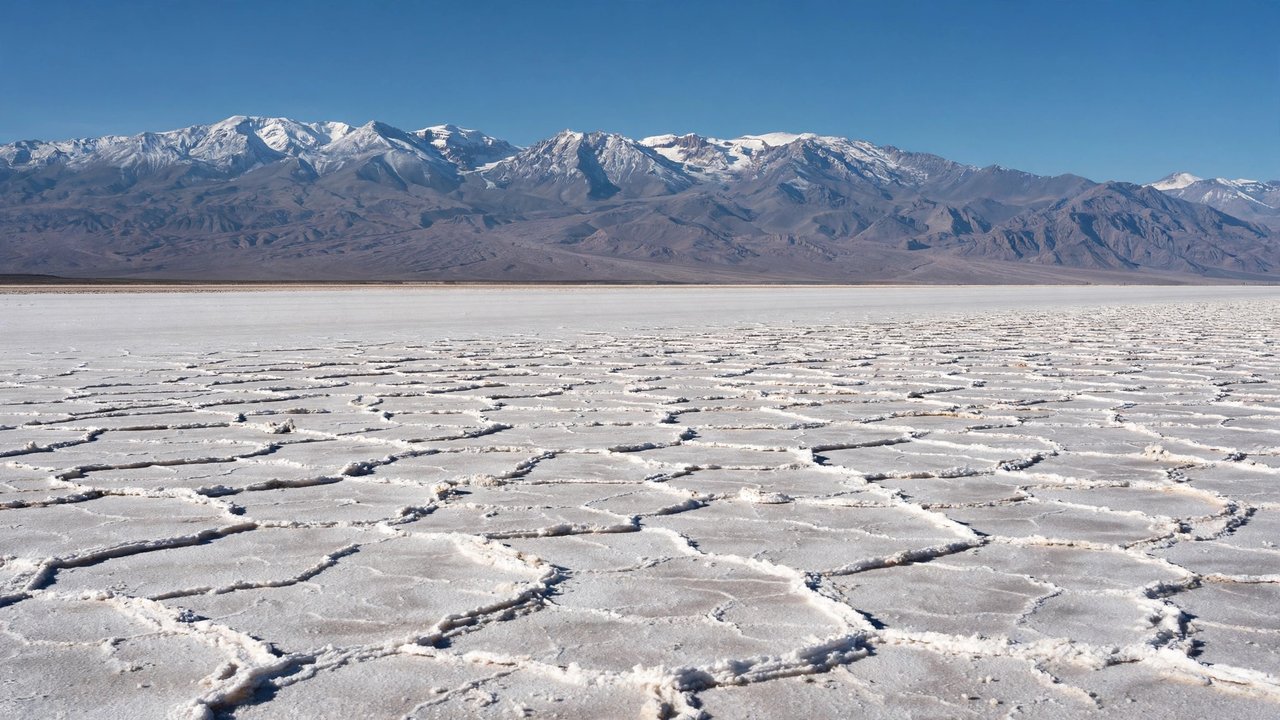
Chile is a ribbon 4,300 km long and on average just 177 km wide, the Andes to the east, the Pacific to the west, and everything in between. The north is the Atacama, the driest non-polar desert on Earth. The centre is the fertile Central Valley, where Santiago and the wine regions sit. The south is the Lake District and then Patagonia, ending in the fjords and glaciers of the far south. No other country packs three such different worlds into one border, and no other country makes the distances so plain: Santiago to Punta Arenas is a three-and-a-half-hour flight.
Copper, Salmon and Wine: What the Economy Runs On
Chile is the world's largest copper producer, about 24% of global output and about half of export revenue, with copper exports of $55.2 billion in 2025, and the world's second-largest farmed salmon producer, plus wine, fruit and forestry. Gross national income was about $311 billion in 2024, or about $15,750 per person. The peso (CLP) runs about 950 to 977 per US dollar in late 2026, and the country is the most expensive in mainland South America to travel in. The trip-cost guide prices it in dollars for exactly that reason.
Santiago, Valparaiso and Concepcion: The Three Cities
Santiago is the capital and the entry point: 6.9 million people in the metropolitan area, a modern city at the foot of the Andes, with the best infrastructure in South America and a metro that runs for pennies. Valparaíso (1.0 million) is the port city of coloured hills and funiculars, 120 km west of Santiago and a UNESCO site. Concepción (912,000) is the university city of the Biobío region. The other two names on the map are the trip itself: San Pedro de Atacama in the north and Puerto Natales, the gateway to Torres del Paine, in the far south.
What a Week Costs: Santiago vs Patagonia
Budget travellers spend about $38 to 71 a day and mid-range travellers about $103 to 191 a day, excluding international flights, and Patagonia and the Atacama push those figures up. A hostel dorm runs CLP 12,000 to 25,000 ($13 to 26) a night, a mid-range double CLP 60,000 to 110,000 ($63 to 116), and a dinner CLP 12,000 to 20,000 ($13 to 21). Torres del Paine entry for a foreign visitor is CLP 34,000 for one day or CLP 48,500 for multiple days. The full breakdown is in our Chile trip cost guide.
Work out what your trip costs with the Trip-Cost Calculator: enter your own daily spending, flights, visa and insurance figures and it totals them per person and for the whole group.
Empanadas, Completo and the Wine of the Central Valley
The food is simple and cheap at the street level: an empanada runs CLP 1,500 to 5,000, a completo (hot dog) CLP 2,000 to 4,000, and a menú del día CLP 6,000 to 12,000. The wine is the other half of the story: the Central Valley, Maipo, Colchagua, Casablanca, is one of the great wine regions of the world, and a tasting is the cheapest way to spend an afternoon outside Santiago. Food runs $20 to 35 a day mid-range; the wine is where the money goes.
December to February for Patagonia, Spring and Autumn for Santiago
Patagonia wants December to February, with long days and the trails open, and the highest prices and the busiest trails of the year. Santiago is best in spring (September–November) and autumn (March–May). The Atacama is good all year: the driest desert on Earth does not do seasons. For a trip that combines Patagonia with the north, the best months are December and January, when the south is at its best and the Atacama is at its most reliable.
Visa-Free for 90 Days: Entry in One Paragraph
Citizens of the US, UK, Canada, Australia, New Zealand, every EU country, Japan, South Korea, China, Russia and most of Latin America enter visa-free for 90 days on a tourist permit, free of charge. South American neighbours (Argentina, Brazil, Bolivia, Colombia, Ecuador, Paraguay, Peru, Uruguay) can enter on a national ID card rather than a passport. You receive a tourist card (Tarjeta de Turismo) on arrival. Keep it, because it is needed to leave and it waives the 19% hotel VAT when you pay in foreign currency. Full steps are in the Chile visa guide.
Pros and Cons
The case for
- Three worlds in one border: the driest desert on Earth, the Andes and Patagonian fjords.
- 90 days visa-free for most passports, free of charge, with a tourist card that waives 19% hotel VAT.
- The best infrastructure in South America, a metro, safe buses and card payment almost everywhere.
The case against
- The most expensive country in mainland South America: Patagonia and the Atacama push a mid-range day to $110 to 170.
- Torres del Paine entry must be pre-booked, and the park is timed, no more turning up at the gate.
- The distances are the trip: Santiago to Punta Arenas is a three-and-a-half-hour flight, and internal flights are the biggest swing.
Sources
- Wikipedia, Chile (2024 census 18,480,432; area 756,102 km²; Santiago 6.9m; Valparaiso 1.0m; Concepcion 912k): en.wikipedia.org, checked 13 November 2026
- Encyclopaedia Britannica, Chile (GNI $311,280m 2024; per capita $15,750; 1 USD = 976.617 CLP): www.britannica.com, checked 13 November 2026
- Embassy of India, Santiago, Chile Factsheet (updated 14 October 2026; copper 24% of world output; 1 USD = CLP 921.97): www.indianembassysantiago.gov.in, checked 13 November 2026
- iContainers, Chile: Main Imports and Exports (copper ~50% of export revenue; salmon 2nd-largest farmed): www.icontainers.com, checked 13 November 2026
- Travel With Hello, Chile Travel Budget Guide (daily $45 to 70 / $90 to 150; dorm CLP 12,000 to 25,000; dinner CLP 12,000 to 20,000): www.travelwithhello.com, checked 13 November 2026
- Atlas Guide, Chile Travel Guide (Sep 2026: budget $40 to 60/day; mid $80 to 150; comfort $150 to 300+; Atacama/Patagonia pricier): www.atlas-guide.com, checked 13 November 2026
- Monkey Eating Mango, Chile Travel Guide (Patagonia Dec–Feb; Atacama year-round; Torres del Paine CLP 34,000/48,500): monkeyeatingmango.com, checked 13 November 2026
Facts checked: 13 November 2026. The peso moves. Recheck the live rate before you travel.