 Part of: United Arab Emirates guides
Monthly budgets are planning estimates assembled from the country profiles on this site, not official statistics; no official Gulf rent series was cited. Currency pegs: QAR 3.64 per US dollar; AED ≈3.67 per US dollar (standard peg, stated as approximate).
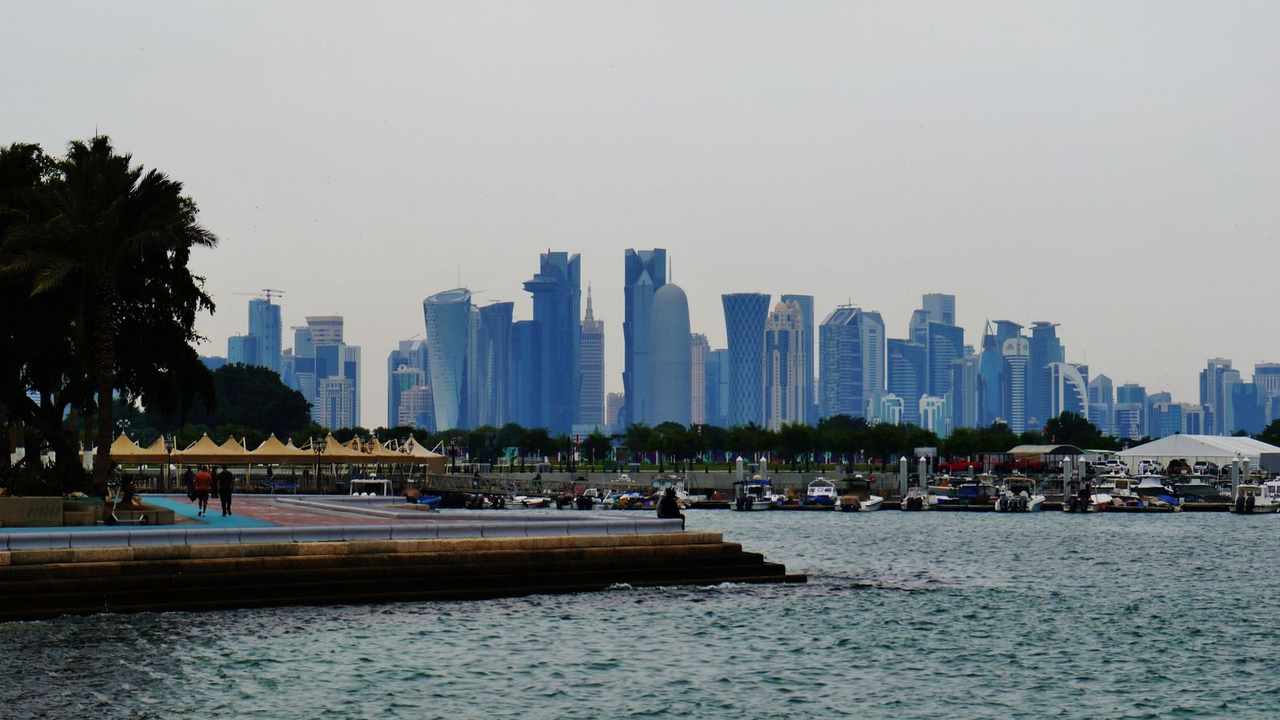
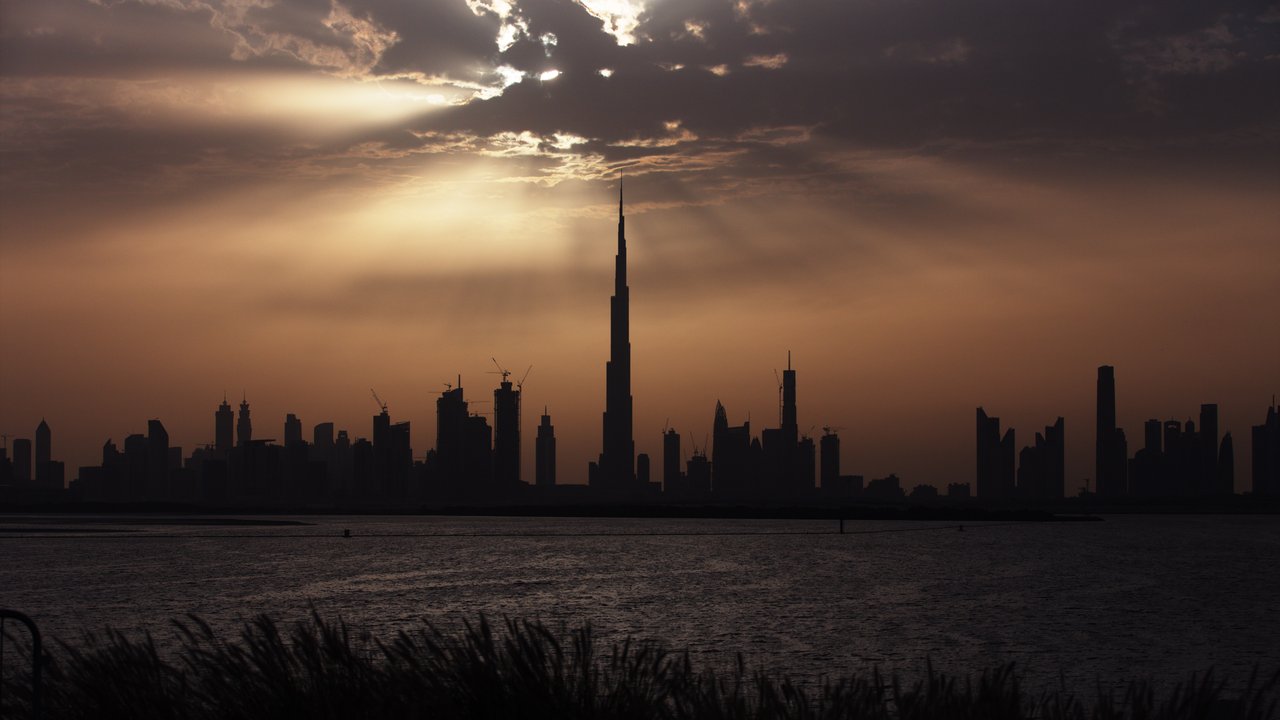
Dubai, Abu Dhabi and Doha are three cities, two countries and one shared deal: no personal income tax on salaries, employer-sponsored residence as the standard route, and summer heat that reorganises daily life indoors. The differences are in price, scale and texture, Dubai the widest choice, Abu Dhabi the quieter capital, Doha the most compact. Start with the country profiles hub for the full profiles.
The comparison at a glance
| Dubai | Abu Dhabi | Doha | |
|---|---|---|---|
| Country / profile | UAE — UAE profile | UAE — UAE profile | Qatar — Qatar profile |
| Role | Commercial hub, best-known city | Capital emirate, largest by area | Capital city and municipality; most of the country lives in the Doha metro area |
| Country population | UAE ≈11 million (2024 est.) | UAE ≈11 million (2024 est.) | Qatar ≈3.0 million, of whom roughly 11–12% are Qatari citizens |
| Currency | AED, peg ≈3.67/USD (approximate) | AED, peg ≈3.67/USD (approximate) | QAR, peg 3.64/USD |
| Mid-range daily budget, visitor basis | $200–$350; budget travellers $80–$120 using metro, cafeterias and business hotels | Below Dubai on rent; daily costs in the same band | $140–$220 |
Cost of living, same basket
On a like-for-like basket, Abu Dhabi and Doha generally undercut Dubai on rent, while Dubai offers the widest choice at every price. The neighbourhood matters more than the city name. In Doha, a one-bedroom apartment costs QAR 6,500 to 9,500 a month in central Doha and West Bay (QAR 78,000 to 114,000 a year) against QAR 3,500 to 5,500 in outer districts, and any offer near Qatar’s legal minimum wage (QAR 1,000 a month basic pay, rising to an effective QAR 1,800 where the employer provides neither housing nor food) only works with employer-provided housing. Worked example, using only the Doha figures above: a year in an outer district at QAR 3,500 to 5,500 a month totals QAR 42,000 to 66,000, against QAR 78,000 to 114,000 central, a gap of QAR 36,000 to 48,000 a year on the table’s own figures.
| Budget item | Dubai | Abu Dhabi | Doha |
|---|---|---|---|
| Rent | Highest headline rents of the three | Generally below Dubai | Central QAR 6,500–9,500/month; outer QAR 3,500–5,500/month |
| Daily, mid-range visitor | $200–$350 | Same band, rent lower | $140–$220, slightly under comparable Dubai trips |
| The real budget items | Housing, schooling, health insurance, visa-linked costs | Same, with less nightlife spend | Schooling and central rents absorb much of the tax-free saving |
| Currency predictability | Pegged AED | Pegged AED | Fixed QAR peg: divide riyal prices by 3.64 for dollars |
None of the three levies personal income tax on salaries. That does not mean tax-free life: housing, schooling, health insurance and visa-linked costs are the real budget items, and your home country may still tax you.
Work out what your trip costs with the Trip-Cost Calculator: enter your own daily spending, flights, visa and insurance figures and it totals them per person and for the whole group.
Work and residence routes
The standard route in all three is employer sponsorship arranged before arrival, with freelancer, remote-work and investor/golden routes as narrower alternatives. Qatar’s entry for visitors is liberal. Citizens of more than 100 countries receive visa-free entry on arrival, typically 30 or 90 days depending on nationality, with others using a tourist eVisa through the Hayya platform, but work and residence still require sponsorship. In the UAE, each emirate has its own ruler and local government, so costs, licensing and even weekend rules have historically varied by emirate: check the emirate, not just the country.
Climate and everyday life
- Summer (June–September): daytime temperatures regularly reach 42 to 48°C in Qatar with high coastal humidity; life retreats indoors behind formidable air conditioning. The same pattern holds across the Gulf.
- Winter (November–March): superb, 18 to 26°C in Qatar, blue skies and sea breezes; January and February offer the best weather in the UAE (22 to 26°C) with peak hotel prices. November and March are strong value alternatives in the UAE.
- Scale: Qatar is small enough to cross in a day, and the whole country is explorable in days; the UAE spans seven emirates, of which Abu Dhabi is the largest by area and Dubai the commercial hub.
- Social rules: alcohol and nightlife are limited and hotel-priced in Doha, and social rules require more awareness than in the UAE. In all three, private schooling is steep for expatriate families.
- Doha’s old heart: Souq Waqif, Doha’s restored traditional market, is the place for an evening walk, a meal and a sense of the city before the towers.
Which fits which person?
- Choose Dubai if you want the widest choice, jobs, neighbourhoods, schools, nightlife, and will pay the highest rents for it.
- Choose Abu Dhabi if you want the capital’s calmer rhythm, lower rents and the same tax-free salary structure, with fewer choices than Dubai.
- Choose Doha if you want the most compact Gulf life, a world-class airport and stopover product, and winter weather that rivals anywhere, and will accept limited nightlife and summer heat that is genuinely prohibitive outdoors.
- Either way, test the offer against rent and schooling in the specific neighbourhood, not against the tax headline.
Sources (checked October 2026)
- Country profiles on this site: UAE, Qatar (October 2026).
- QAR peg 3.64/USD and AED peg ≈3.67/USD from the profiles hub and UAE profile. Checked 25 October 2026.