 Part of: Japan guides
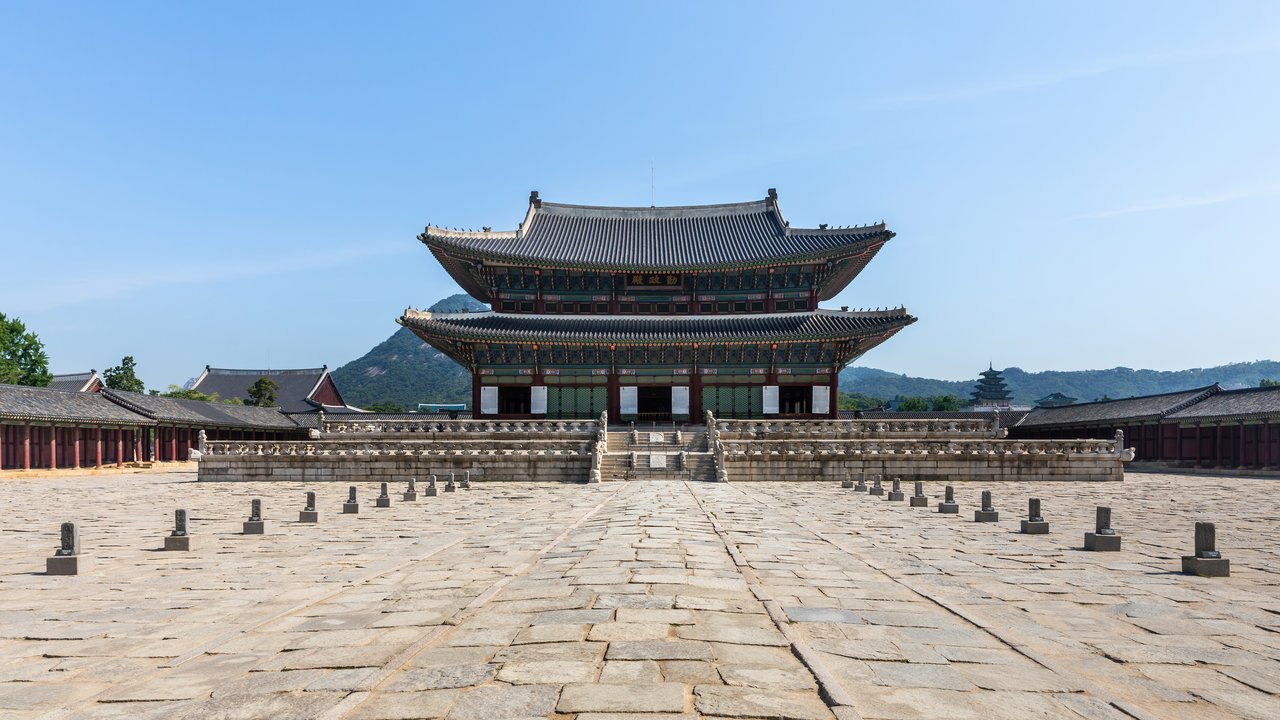
Budgets are single-person, mid-range monthly estimates from the two country profiles on this site, at approximately ¥1 ≈ $0.0064 and KRW 1,000 ≈ $0.68 (October 2026, approximate). Planning estimates, not quotes.
Japan and South Korea are the two East Asian destinations most travellers and movers compare, similar seasons, superb transport, extraordinary food, and a language barrier that shapes daily life more than any cost table. The differences are in pace, scale and social texture: Japan is larger, more regional, more formal; South Korea is more concentrated in Seoul, faster and more digitally mediated. Start with the country profiles hub for the full profiles.
The comparison at a glance
| Japan | South Korea | |
|---|---|---|
| Capital | Tokyo | Seoul |
| Currency | Japanese yen (JPY, ¥) | South Korean won (KRW, ₩) |
| Profile | Japan | South Korea |
| Population | ≈124 million | ≈51.7 million (KOSTAT, 2025 est.) |
| Single person, monthly, mid-range | ¥220,000–320,000 (about $1,410–2,050) | KRW 1,800,000–2,600,000 (about $1,220–1,770) |
| Seasons | Cherry blossom April, autumn colour November, humid summers, snowy north | Four sharp seasons; cold dry winters, hot humid summers, monsoon June–July |
| Transport | Shinkansen network; punctual to the minute | KTX network; nationwide 5G and delivery apps as default |
Cost of living, same basket
| Basket item (monthly, single person) | Japan (Tokyo/Osaka) | South Korea (Seoul) |
|---|---|---|
| One-bedroom rent, city centre | ¥100,000–160,000 | KRW 800,000–1,300,000 |
| Groceries | ¥40,000–60,000 | KRW 350,000–500,000 |
| Transport pass | ¥10,000–15,000 | KRW 70,000–100,000 |
| Eating out, occasional | ¥30,000–50,000 | KRW 250,000–400,000 |
Japan’s regional cities (Fukuoka, Sapporo, Nagoya) undercut Tokyo sharply; South Korea outside Seoul (Busan, Jeju) undercuts Seoul, but less dramatically, because so much of the country concentrates in the capital region. Solo dining is a cultural strength in both. Counter seats, set lunches and convenience-store meals make eating alone cheap and normal. Worked example, adding only the four basket rows above: a Tokyo/Osaka month totals ¥180,000–¥285,000 (rent ¥100,000 to 160,000, groceries ¥40,000 to 60,000, transport ¥10,000 to 15,000, eating out ¥30,000 to 50,000), and a Seoul month totals KRW 1,470,000 to 2,300,000 (rent KRW 800,000 to 1,300,000, groceries KRW 350,000 to 500,000, transport KRW 70,000 to 100,000, eating out KRW 250,000 to 400,000). The totals are in different currencies, so compare each against local wages, not against each other at face value.
Work out what your trip costs with the Trip-Cost Calculator: enter your own daily spending, flights, visa and insurance figures and it totals them per person and for the whole group.
Work, study and residence routes — separate box
- Japan: work visas tied to employer sponsorship and qualifications; the Specified Skilled Worker routes for designated sectors; student visas with part-time work permission. Japan’s planned JESTA pre-travel authorisation for visa-exempt visitors is not live yet (target fiscal 2028). See our ETIAS explainer (with the EES and JESTA comparison).
- South Korea: E-series work visas tied to employer and qualifications; the D-10 job-seeker route for graduates of Korean institutions; K-ETA for visa-exempt short stays. Korean language ability materially changes both job access and daily life.
- Neither country offers a general points-only migration route. Language, employer sponsorship and qualifications decide outcomes.
Everyday life: what actually differs
- Pace and formality. Japan rewards formality, quiet public behaviour and patience; South Korea rewards speed, directness and digital fluency. Both are polite societies with different politeness rules. Learn the local ones, do not import the other’s.
- Solo life. Both are outstanding for solo travellers and residents: safe streets, solo dining, efficient transport. Japan’s solo infrastructure (capsule hotels, counter restaurants, women-only train carriages at rush hour) is the more developed; see our Japan solo female travel page.
- Nature and weekends. Japan offers the widest weekend range (alps, onsen towns, islands, snow country). South Korea offers faster weekend escapes (Busan, Jeju, mountain temples) within a smaller geography.
- Digital life. South Korea leads on 5G, delivery and app-everything; Japan leads on transport punctuality and cash-to-digital transition still in progress. Carry a transport card and some cash in Japan.
Which fits which person?
- Choose Japan if you want regional variety, the deepest solo-travel infrastructure, and a slower, more formal daily rhythm, and you will learn Japanese for long-term life.
- Choose South Korea if you want Seoul’s energy, faster digital life and slightly lower everyday costs, and you will learn Korean for long-term life.
- Either way, visit in the shoulder seasons (April–May or October–November) and in the worst season (humid August or cold February) before deciding.
Sources (checked October 2026)
- Country profiles on this site: Japan and South Korea (October 2026).
- Official Japanese and Korean immigration sources for current visa and K-ETA positions. Checked 25 October 2026.